
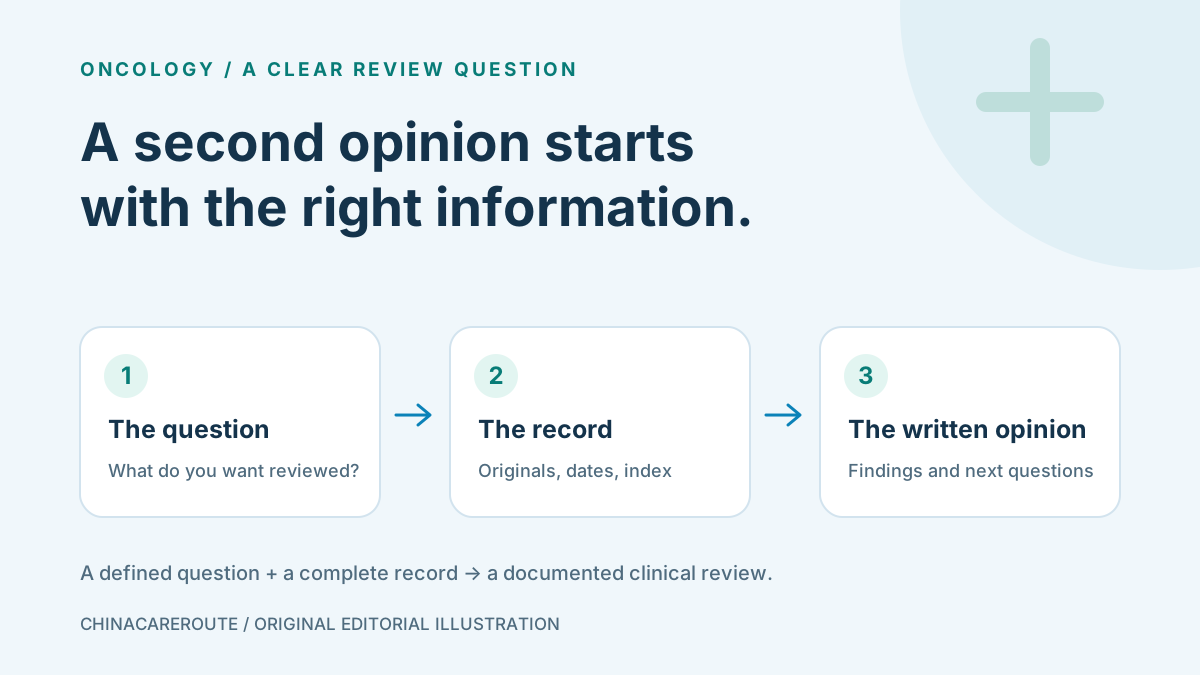
Define what you want the second opinion to answer
A second opinion asks another qualified specialist to review the information about a diagnosis and proposed care. The US National Cancer Institute explains that a reviewing doctor may agree with an existing plan or propose a different approach. Agreement can still be a useful result. A second opinion is not a guarantee of a new therapy, a place in a trial, or better outcomes.
Start with a short question, such as whether the available information is sufficient to assess the diagnosis, which parts of an existing plan you want explained, or whether a particular service can review the records. Ask your current treating team how the review can fit with ongoing care. Do not change or delay an agreed care plan on the basis of this website.
Request the receiving team’s document requirements
A hospital may need more than a translated diagnosis. Ask its official office for a list appropriate to the review and the accepted method of transfer. The list may distinguish consultation letters, pathology reports, imaging reports and files, previous treatment summaries and other requested results. Whether pathology material or additional testing is needed is for the reviewing clinical team to explain.
Prepare a dated timeline and an index of the documents already available. Preserve originals, identify the language of each file and link translations to their source documents. Tell the office which requested material is not available. Use the provider’s approved channel for medical documents, rather than a public marketing form or an unverified social-media account.
Clarify how the review will work
- Which department or specialist will assess the inquiry?
- Can an initial review take place remotely, and what can it establish?
- Does the quoted service include a written opinion, a discussion, translation or additional record review?
- What are the current fees, expected administrative steps and reasons a review might not proceed?
- Who explains any proposed next steps to the patient and the existing treating team?
An appointment coordinator can explain booking steps. Ask who is responsible for clinical interpretation and for answering medical questions. English-language administrative support should be confirmed separately from the language used in consultation and in the final written opinion.
Keep treatment, research and travel decisions distinct
A hospital may describe specialized therapies or research activity on its website. That does not establish eligibility for an individual patient. If a service discusses a study or a treatment proposal, request its formal clinical review, relevant documentation and explanation of alternatives through the treating team. The presence of a technique in an article or ranking is not a personal recommendation.
For a possible journey, ask what an in-person visit would add to the review, how ongoing care will be coordinated, and what would happen if the appointment or plan changes. Ask the responsible professionals about travel suitability. Confirm coverage and financial responsibility directly with the provider and insurer where relevant.
Ask for an opinion you can take home
Confirm how to obtain the written findings, the documents considered and a clear record of questions that remain unresolved. Agree how that information will reach your existing team. ChinaCareRoute can help you locate published hospital contact routes; it does not diagnose cancer or choose a treatment.
Sources & review
Sources apply to the specific facts and service channels described. Availability can change; check the official information before making plans.
-
Finding cancer care: getting a second opinion
A specialist second opinion reviews case materials and may agree with an existing treatment plan or suggest changes.
Scope: General second-opinion process. US facility, insurance and visa details are not presented as Chinese rules.
-
Medical tourism: CDC Yellow Book 2026
Care abroad involves travel-related and continuity-of-care issues as well as the procedure itself; record transfer, follow-up and coverage need planning.
Scope: General cross-border care considerations, not China-specific hospital performance or individual fitness to travel.